
January 5, 2026
How Many Solar Panels Does a Home Need? A Simple Guide for Homeowners
How Many Solar Panels Do You Need for Your Home?
One of the most common questions homeowners ask when considering solar energy is: “How many solar panels do I need?”
Whether you live in a 3-bedroom house, a 2,000 sq. ft. home, or something smaller, the answer isn’t based on size alone. The number of solar panels you need depends on your energy usage, goals, and location.
What Are Your Solar Energy Goals?
Before calculating system size, it’s important to define what you want to achieve with solar power:
- Reduce your electricity bills
- Lower your carbon footprint
- Become less dependent on the grid
For most homeowners, the goal is a balance of cost savings and environmental benefits.
What Determines How Many Solar Panels You Need?
Several key factors influence the number of solar panels required for your home:
- Your household’s average energy consumption
- Monthly electricity usage (kWh)
- Sunlight availability in your location
- Solar panel efficiency and wattage
- Roof size, shape, and orientation
A professional solar installer will assess these factors and design a system tailored to your home.
Step 1: Understand Your Energy Usage
Start by checking your electricity bill for the section labeled “kWh used”.
If it’s not listed, you can calculate it using your meter readings:
- Subtract your previous reading from your current reading
Estimate Your Usage
- Divide monthly kWh by 30 → daily usage
- Divide daily usage by 24 → hourly usage
Typical Household Consumption
- Small home: ~200 kWh/month
- Large home with air conditioning: 2,000+ kWh/month
- Average home: ~900 kWh/month (≈30 kWh/day)
Your daily energy usage becomes the baseline your solar system needs to generate.
Step 2: Account for Solar System Efficiency
Solar panels don’t operate at maximum output all day due to:
- Weather conditions
- Shading
- System losses
To compensate, it’s recommended to add a 25% buffer to your energy needs. This ensures your system performs reliably even in less-than-ideal conditions.
Step 3: Choose the Right Solar Panel Wattage
Solar panels vary in power output, typically ranging from 445W to 710W
Higher-Efficiency Panels
- Produce more power per panel
- Require fewer panels
- Ideal for limited roof space
Lower-Efficiency Panels
- Lower upfront cost
- Require more panels
- Need more roof space
Example Calculation
If your home needs a 10 kW system:
- 450W panels → 24 panels
- Higher wattage panels → fewer panels required
Roof Size, Shape, and Layout
Your roof plays a major role in system design.
Considerations include:
- Available space
- Roof angle and orientation
- Shading from trees or nearby buildings
Standard Solar Panel Size
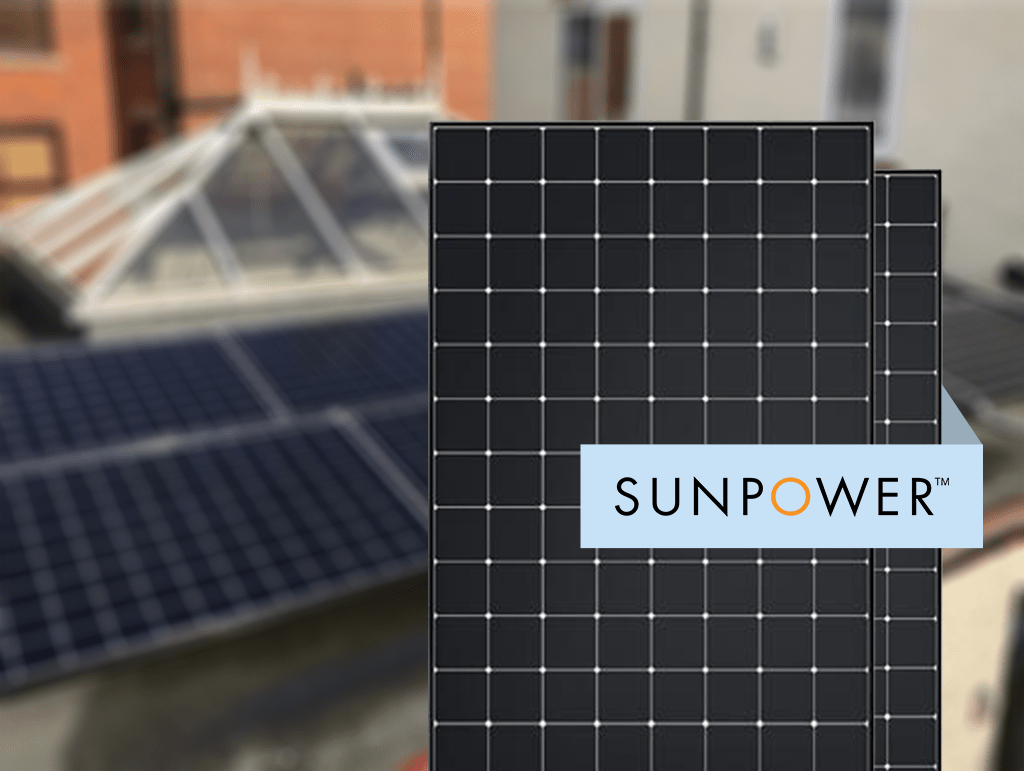
Most residential panels measure approximately:
- 1.7X1.1 M
Modern panels are more efficient, meaning you can generate more power using the same roof space.
Solar Panel Weight and Roof Safety
Solar panels typically weigh around 20-25KG each.
In most cases, this is well within the load capacity of modern roofs. However, a professional installer should always assess your roof structure to ensure safety and durability.
Putting It All Together
To determine how many solar panels you need, you must:
- Analyze your energy consumption
- Factor in sunlight availability
- Choose appropriate panel efficiency
- Design a system that fits your roof
A professional site assessment ensures accurate system sizing, optimal panel placement, and reliable long-term performance.
Should You Add Battery Storage?
When installing solar, you should also consider how to handle excess energy:
- Always go with Battery (Check our battery blog)
- Store energy in a battery for nighttime use or power outages
Battery storage can increase energy independence and maximize the value of your solar system.
Ready to Go Solar?
Solar energy is a long-term investment that can:
- Reduce electricity bills
- Increase energy independence
- Lower your environmental impact
By understanding your energy needs and choosing the right system design, you can make solar work efficiently for your home—now and in the future.
Subscribe to our newsletter
Stay updated on the latest in solar energy solutions,
sustainable living, and more!
 Solar Distribution
 Energy Storage
 Installer Partner
 Global Expansion